

If you have been looking at job postings or nursing assistant programs and keep seeing two different terms, STNA and CNA, you are not the only one who finds it confusing. Here is the short answer before anything else: an STNA and a CNA do the same job. The difference is almost entirely about where you live.
CNA stands for Certified Nursing Assistant. STNA stands for State Tested Nursing Assistant. Both describe a trained, tested, state-registered nursing assistant who provides hands-on care under the supervision of a nurse. The training looks the same, the work looks the same, and the path into the field looks the same.
The one thing to know up front is that “STNA” is a term used only in Ohio. If you are in Ohio, the credential you earn is called an STNA. Some states use a different title for the same role. STNA (State Tested Nursing Assistant) is Ohio’s name for a CNA (Certified Nursing Assistant). New Hampshire and Vermont use LNA (Licensed Nursing Assistant), Kentucky uses SRNA (State Registered Nurse Aide), and Washington uses NAC (Nursing Assistant-Certified). The rest of this guide explains what that means for training, pay, and working across state lines.
The bottom line. The title may be called something other than CNA in some states, but they are the same credential, the same training, and the same scope of practice. The only practical reason to care about the difference is job applications and your state registry paperwork.
In This Article:
- The daily work is the same
- Training and testing
- Can you work in another state?
- Salary and job outlook for 2026
- Does the title matter?
The Daily Work Is the Same
Whether you work as an STNA in Columbus or a CNA in Miami, your day looks the same. Nursing assistants handle what the field calls activities of daily living, or ADLs, along with basic monitoring and a constant habit of watching for changes.
A typical day includes:
- Helping residents bathe, dress, groom, and use the bathroom
- Assisting with mobility, including transfers, repositioning, and walking
- Taking and recording vital signs such as temperature, pulse, blood pressure, and respirations
- Helping residents eat and tracking their food and fluid intake
- Observing residents for any change in their condition and reporting it to the nurse
That last point holds true in every state and under every title. CNAs and STNAs observe and report; they do not assess or diagnose. When something looks off, the job is to tell the nurse.
Both work primarily in long-term care facilities such as nursing homes and assisted living communities. They also work in hospitals and in home health. The setting can change the pace and the patient population, but it does not change the credential.
Training and Testing
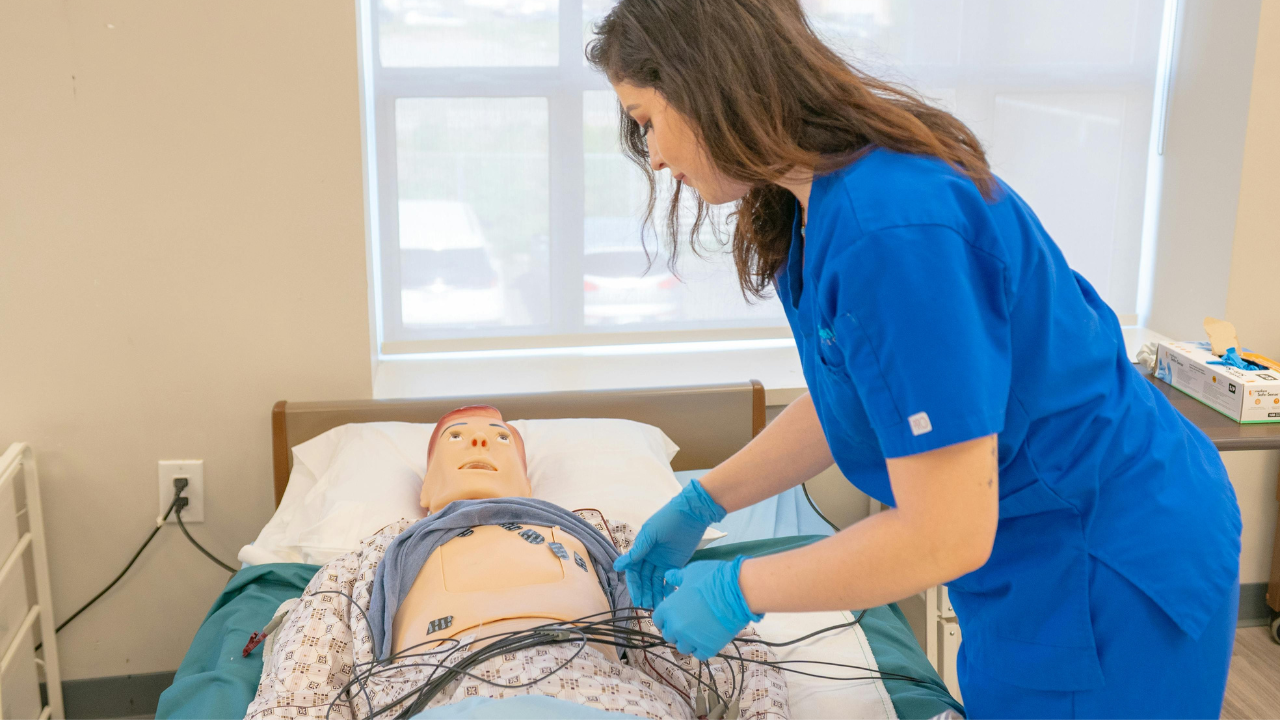
The reason Ohio uses “State Tested” rather than “Certified” comes down to emphasis. The term highlights that the person has passed Ohio’s state-regulated competency exam and is listed on the Ohio Nurse Aide Registry. The underlying requirements are not unique to Ohio.
Whether your state calls the role an STNA, CNA, LNA, SRNA, or NAC, the training requirements come from the same federal law. States may choose different titles, but they all follow the same core standards for classroom hours, clinical hours, and competency testing.
Federal law sets a minimum of 75 hours of training for every nurse aide program in the country, a standard that has been in place since the Omnibus Budget Reconciliation Act of 1987. Ohio’s STNA training is simply Ohio’s version of that federal requirement.
Note: Some states require more than the 75-hour minimum, and the split between classroom hours and hands-on clinical hours varies from state to state. Ohio’s programs require the 75-hour minimum.
The testing works the same way everywhere. To earn the credential, you pass two parts:
- A written or oral knowledge test
- A hands-on skills demonstration, performed in front of an examiner
Pass both, and your name goes on your state’s nurse aide registry. In Ohio, that is the Ohio Nurse Aide Registry. In another state, it is that state’s registry. Same test format, same outcome, different letterhead.
Can You Work in Another State?
Yes, and you usually do not have to start over. This is the question that worries most people who are moving, so here is how it works.
If you train as an STNA in Ohio and then move to another state, most states offer a process called reciprocity, sometimes called endorsement. It lets a nursing assistant in good standing transfer onto a new state’s registry without repeating the full training program. You apply to the new state, pay a small reciprocity fee, your record and your training are verified, and you are added to that state’s nurse aide registry.
What does not travel with you is the title. “STNA” is an Ohio label, so once you cross the state line you become a CNA, or the preferred title of that state, under your new state’s registry. The skills are the same; the name on your badge changes.
One technical point is worth clearing up here. A nursing assistant credential is a certification and a registry listing, not a license in the same sense that a registered nurse holds a license. People often say “CNA license” in everyday conversation, and that is fine, but the formal term is certification.
Note: Reciprocity rules differ from state to state. Some states ask for proof of recent work hours, a refresher, a background check, or a small fee before they add you to their registry. Always check the requirements of the state you are moving to on its nurse aide registry website before you move. As an example, for a move to Illinois, you do not need to retest but must have a required criminal background check completed by the Illinois State Police.
Salary and Job Outlook for 2026

Pay depends on the market, not the term on your certificate. An STNA in Ohio and a CNA in another state with a similar cost of living can expect similar pay, because employers set wages based on local demand, the work setting, and experience, not on whether the credential is called “certified” or “state tested.”
| Role | Typical pay | Source |
|---|---|---|
| Nursing assistants (national) | $42,260 a year, about $20.32 an hour (median) | Bureau of Labor Statistics, May 2025 |
| STNA in Ohio | $19.30 an hour | Indeed, May 11, 2026 |
Pay tends to run higher in hospitals and in areas with a high cost of living, and lower in some rural and long-term care settings. As for the outlook, demand for nursing assistants remains strong heading into 2026. An aging population means more people need long-term and personal care, and that need does not change based on whether the role is called an STNA or a CNA.
Does the Title Matter?
For the work itself, no. For paperwork, a little. A few states prefer different titles, STNA in Ohio, LNA in New Hampshire and Vermont, SRNA in Kentucky, and NAC in Washington, but the work does not change. Employers understand the various titles.
The only times the different title distinction actually affects you are when you apply for jobs and when you handle your registry paperwork. For example, on a resume in Ohio, you list STNA. On a resume anywhere else, you list CNA.
The career path is the same either way. The training is built on the same federal foundation, the daily work is identical, and the credential moves with you when you move.
When you are ready to start, check your state’s nurse aide registry or department of health for a list of state-approved training programs in your area. That is where you will find the current requirements, the approved schools near you, and the exact steps to get on the registry.
Whatever the credential is called where you live, the exam is the same kind of test: a knowledge portion and a skills demonstration. Studying with realistic practice questions is one of the best ways to walk in prepared. All Healthcare Careers offers practice tests that mirror the real nurse aide exam, so you know what to expect before test day.