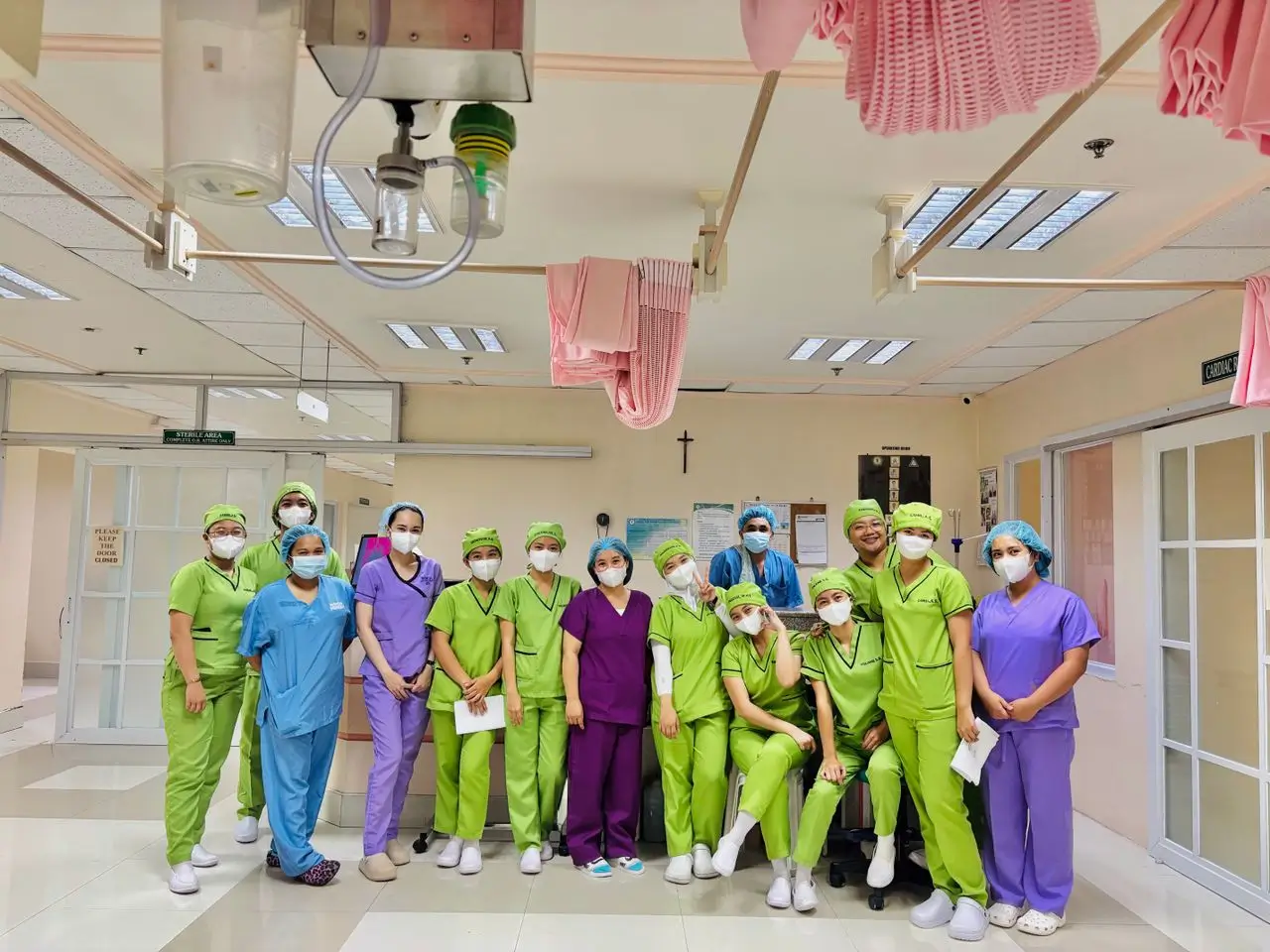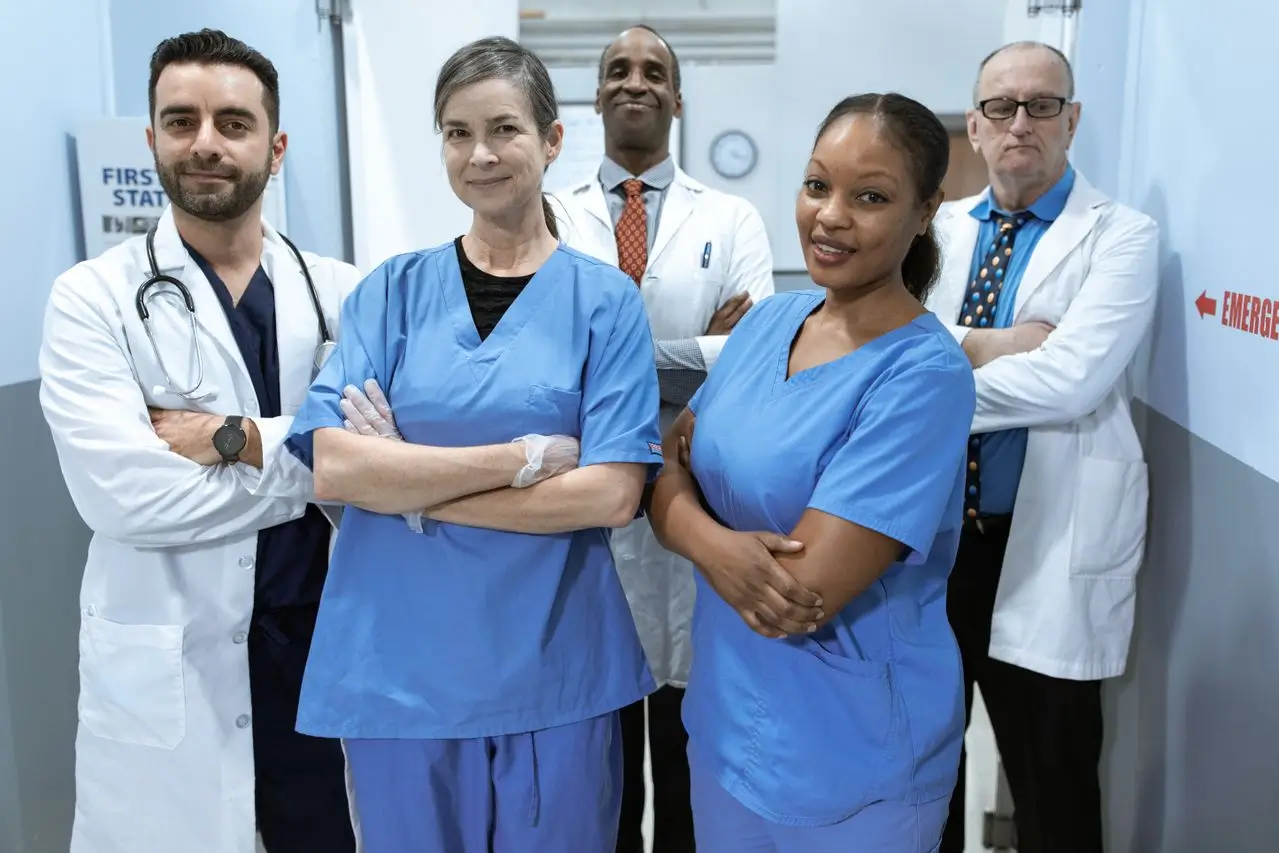

Certified Nursing Assistants (CNAs) are often called the “backbone of healthcare,” spending more hands-on time with residents than almost any other healthcare professional. They are there to help a resident get up in the morning and will be there when the resident is ready to sleep.
The Certified Nurse Assistant (CNA) is a state-certified healthcare worker who works under the supervision of a Licensed Practical Nurse (LPN) or Registered Nurse (RN). The CNA provides direct patient care, including taking vital signs, assisting with daily care, and reporting observations to the nurse. The CNA may be the first person to notice a change in a resident; their report can make a big difference in the resident’s care.
If you are interested in a career as a CNA, this guide is for you. We will cover the primary duties of a CNA, the settings where CNAs work, what a typical shift looks like from start to finish, and the skills you will need to succeed.
The Primary Duties of a CNA (What You’ll Actually Do)
As a student in a CNA program, you will learn many skills during your training. Some skills you will use daily, others just occasionally.
One thing to remember as you care for your residents, the elderly and disabled need to be encouraged to complete as much of their own care as possible. Maintaining independence improves overall quality of living and dignity.
Assisting with Activities of Daily Living (ADLs)
Much of the day will involve helping residents with daily care. Many facilities have developed schedules for ADLs that provide a well-known routine for the residents and allow enough time for the CNAs to complete their tasks.
ADL’s Tasks Include:
- Bathing, grooming, and dressing residents.
- Assisting with toileting and incontinence care.
- Helping residents eat and ensuring they stay hydrated.
Physical Support and Mobility
Not only do the residents require assistance with their daily activities, but some also require specific help with physical activities, such as getting in and out of bed. The CNA should follow the facility’s policies on moving patients to prevent injuries.
Physical support and Mobility tasks include:
- Safely lifting and transferring residents between beds and wheelchairs.
- Repositioning bedridden residents regularly to prevent bedsores.
- Assisting with walking and light exercise.
Clinical and Monitoring Tasks
Clinical monitoring tasks are very important in the care of the residents. Doctors and nurses often make changes to the resident’s plan of care based on information recorded by the CNA.
Accuracy is essential, as is reporting any values that are abnormal to the nurse immediately. For example, a CNA may report an elevated temperature to the nurse.
Reporting this promptly will allow the nurse to complete an assessment and report it to the doctor, who can begin treatment on time.
Clinical Monitoring tasks include:
- Measuring and recording vital signs (blood pressure, temperature, heart rate, oxygen levels).
- Changing external urinary catheters, emptying catheter bags, and recording fluid intake/output.
- Observing residents for physical or mental changes and reporting them to the nursing staff.
Environmental and Administrative Duties
Another set of skills that are a part of a CNA’s job is being part of the team and assisting with overall tasks. When you complete tasks that help maintain the flow of work for the team, morale improves, and the job is more enjoyable.
Environmental and Administrative duties include:
- Changing bed linens and sanitizing the resident’s immediate environment.
- Stocking medical supplies in resident rooms.
- Documenting care provided in Electronic Health Records (EHR).
Where Do CNAs Work?
One advantage of a CNA career is the wide variety of settings where you can work. With a little searching in the area where you live, you can find a job in a setting that fits your personality and schedule.
This table gives a quick breakdown of the various settings.
| Setting | Pace | Patient Population | CNA role focus |
| Hospital | Fast | Acute /post-surgical | Supportive with rapid turnover |
| Assisted Living Facilities | Relaxed | Independent | Minimal assistance with daily care |
| Nursing Home/Skilled Facility | Moderate/Routine | Medical, elderly, and disabled that need 24-hour care | Complete care |
| Home Health Care | Set by CNA | Homebound | Assist with daily care |
| Memory Care Unit | Moderate/unpredictable | Dementia patients | Routine with a safety focus. |
Hospitals
If you like a fast-paced environment, then hospital work is for you. Hospitals focus on acute care: treating patients with immediate needs then preparing them to go home.
The average length of stay in a hospital is 5 days, you can expect to have patients admitted and discharged daily. This is a great fit if you like variety.
Several hospitals also offer incentives, such as tuition reimbursement, to help you advance in your career to the role of an LPN or RN.
Long-Term Care
Long-term care is care provided to anyone who cannot live independently due to a chronic illness, aging, or disability.
The focus is on daily care and can be in an assisted living facility, nursing home or skilled facility, in the home or a memory care unit.
Assisted Living Facilities
Assisted living facilities are communities where the elderly or disabled live when they do not need 24/7 skilled care. The residents live independently in an apartment setting with staff available when needed.
CNAs are available to assist residents with daily care, such as setting up their bath supplies or arriving safely at a social activity. You will love this job if you like to interact with people and want a fixed schedule.
Nursing Homes or Skilled Facilities
Nursing homes or skilled facilities are the largest employers of CNAs. The residents require 24-hour nursing care due to a chronic condition, disability, or recovery from surgery.
CNAs complete much of the resident’s care, including dressing, bathing, feeding, and ambulating. This can be a rewarding job if you like having an organized schedule and like to develop relationships with people.
Home Health Care
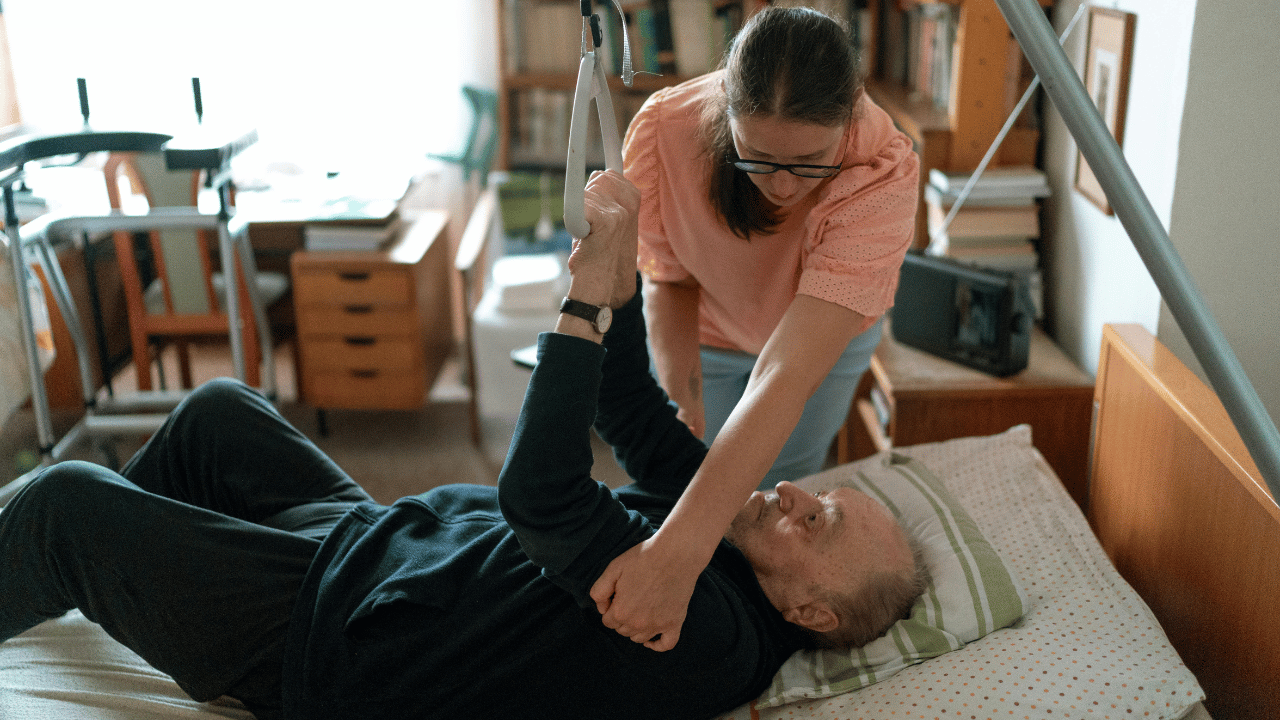
Home health aides assist clients in their homes with daily care. The main advantage is flexibility; many companies allow employees to make their own schedule.
This job is for you if you are good at time management and like to drive. It offers a more personal, one-on-one environment with the patient.
Specialized Memory Care Units
Memory Care Units can be in either assisted living facilities or skilled care facilities. They are units with a high level of security designed for residents with dementia.
The role of the CNA in a memory care unit is much the same as in other facilities, helping with daily care. This is a very meaningful job if you have a calm nature and a lot of patience.
A Day in the Life of a CNA

Morning Routine
- 7:00 am – 7:30 am: The day begins by getting a report from the previous shift. Report will give you the information needed to plan your day, such as getting a resident ready for a procedure, which residents need intake and output monitoring, or if any residents will be discharged. Developing strong prioritization skills will help the day go smoothly.
- 7:30 am – 8:00 am: Now is a good time to see each resident and tend to any immediate needs, such as help with the bathroom. You will begin bringing breakfast trays and plan who needs assistance eating. If a resident needs vital signs, this is the usual time.
- 8:00 am – 8:30 am: As the residents finish breakfast, you will return the trays to the food carts and gather supplies to begin morning care.
Midday Responsibilities
- 9:00 am – 11:00 am: This longer stretch of time consists of am care. You may assist a resident with bathroom setup so they can shower, or it may involve a complete bed bath. During this time, you and your resident can develop a professional relationship. You can listen as they talk about their lives or help them get ready to socialize with other residents.
- 11:00 am – 12:00 pm: It is time for lunch, not just the residents; you will need a break too. In most facilities, you will make sure your residents are fed and then take turns with your peers for a lunch break.
- 12:00 pm – 1:00 pm: After lunch and returning trays to carts, you will help residents clean up. The early afternoon is a common quiet time, when many residents will take a nap. You can help them get comfortable, then finish up some of your documentation.
Afternoon Wrap-Up
- 1:00 pm – 2:00 pm: Time for you to assist residents with the bathroom or finish any care not completed from the morning. You can help the resident with a simple task, such as finding them a book to read or a movie to watch.
- 2:00 pm – 3:00 pm: This last hour is for a final check on the residents, making sure they have all their needs met. The report for the next shift should be made, and any final documentation should be completed. In most facilities, report is at change of shift, which requires staff to either come in 15 minutes early or stay 15 minutes later.
Other Common Shifts Include:
- 3:00 pm – 11:00 pm Shifts: These shifts will complete dinner and prepare the residents for sleep. Some people prefer to bathe at night, while others just want to freshen up.
- 11:00 pm – 7:00 am Shifts: You might think that the night shift would be an easier shift, but that is not usually the case. Residents wake up, you will need to tend to their needs and help them get back to sleep. There are many tasks at night, such as stocking supplies and updating diet and daily care orders for the next shift.
- 12-Hour Shifts: include all of the duties mentioned, but are completed in two shifts. One major advantage of working 12-hour shifts, it is usually a 3-day work week.
Essential Skills You Need to Succeed as a CNA
Do you have what it takes to become a CNA? A CNA career can be very rewarding, but it does take dedication. Some skills that are needed to be a CNA include safety for the patient and yourself, and the soft skills that are not often considered when you are job searching.
Physical Stamina
CNAs are on their feet for most of the shift. The job is physically demanding and includes bending, squatting, lifting, and assisting with transfers throughout the day.
You do not need to be an athlete, but physical health and basic fitness matter. Taking care of yourself is part of being able to take care of others.
Hard Skills
Hard skills are physical skills. In addition to the skills you learn for daily care and taking vital signs, you will also need to understand proper body mechanics, infection precautions, and possibly CPR/Basic Life Support
- Proper Body Mechanics: These help prevent injury to yourself or a resident. It can include using a wheelchair to move a resident or asking for help if you need to help a resident who cannot walk.
- Infection Control Skills: These also protect the resident and yourself, preventing the spread of germs, which can cause illness to many people if not done correctly.
- CPR/Basic Life Support: Some facilities require this training. Understanding what to do in an emergency can save someone’s life.
Soft Skills
Soft skills are the skills used to show care and understanding. Some people have these traits naturally, but they can be learned with practice if you feel this is not one of your strengths.
- Compassion and Empathy: As a healthcare worker, you will interact with people who are sick and frightened. Compassion and empathy are understanding a person’s feelings and suffering with the desire to help them. These skills will help you care for patients by letting them know you really want to help them.
- Communication: As a CNA, you will be communicating with patients, family, and other staff. Communication also includes documenting and giving a report correctly. It can make the difference in a patient’s outcome if communication is clear and accurate.
What CNAs Do Not Typically Do
Scope of practice: CNAs cannot perform any tasks that require a licensed practitioner, including assessment, patient education, creating a plan of care, administering medication*, or performing sterile procedures.
The CNA’s job is to report findings to the nurse. The licensed healthcare worker makes the assessment and has the responsibility to follow through with care.
*Most states have an advanced certification for CNAs that will allow them to give medication. These medications are common meds that DO NOT require an immediate assessment. Example: A CNA would not give blood pressure medication for the first time. A licensed practitioner must give it and ASSESS the reaction.
This overview of the CNA responsibilities, work environment, and shift expectations should give you an idea if this is a career for you. Working as a CNA is not only a stable career, but it is also rewarding as you help people who cannot do for themselves or may just need some encouragement.