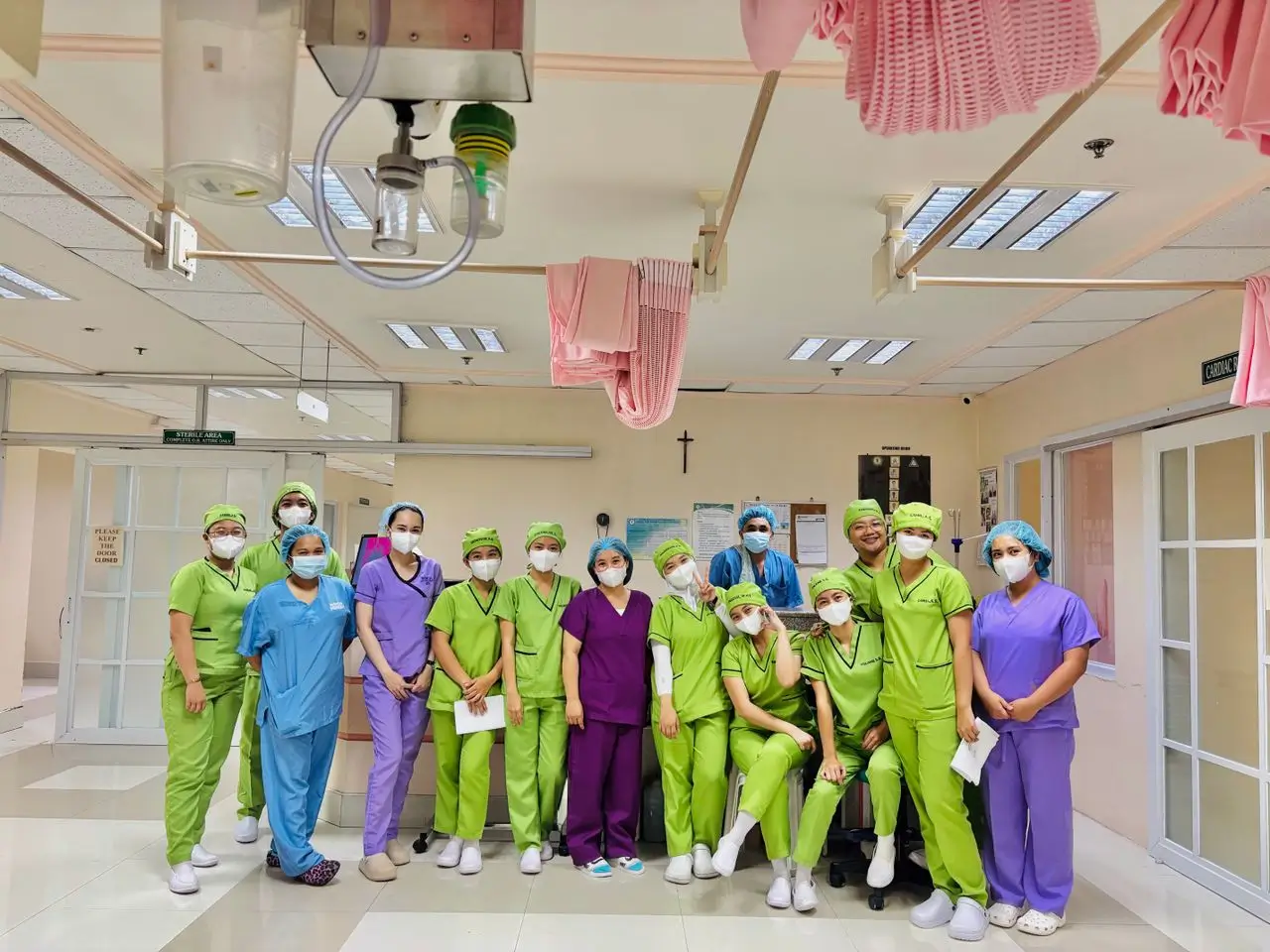

Landing the interview is a real accomplishment in a competitive healthcare hiring market. The question now is how to stand out across the table from someone who has probably interviewed twenty other CNAs this month.
CNA interviews test two things at once. The first is your technical knowledge: do you understand scope of practice, infection control, residents’ rights, and the chain of command? The second is what every Director of Nursing is quietly evaluating from the moment you walk in: are you the kind of person they want at a resident’s bedside at 3:00 am on a short-staffed shift?
This guide breaks down more than 100 of the most common questions CNAs face, sorted by category. For each question you will see what the interviewer is actually trying to learn, and how to structure an answer that proves you are ready.
In This Article
- Pre-Interview Preparation
- Background and Experience Questions
- Patient Care Questions
- Communication and Teamwork Questions
- Behavioral and Situational Questions
- Ethics and Professionalism Questions
- Time Management and Multitasking Questions
- Safety and Infection Control Questions
- Stress Management Questions
- Questions YOU Should Ask the Interviewer
- Final Preparation
Pre-Interview Preparation
What you do in the 24 hours before the interview is at least as important as what you say during it. The candidates who land offers are not always the most clinically experienced; they are the ones who arrived ready to make the interviewer’s job easy.
What to Bring
Print at least three copies of each of the following and keep them in a small folder or portfolio:
- Your updated resume
- Your CNA certification or license card
- Your current CPR or BLS card
- A typed list of three professional references (name, title, employer, current phone)
- A short list of questions you plan to ask (see the last section of this article)
- A small notepad and a working pen
If your license is brand new and you have no work history, bring a copy of your final training program transcript or completion certificate too.
What to Wear
The honest answer: clean, pressed scrubs are usually a safer bet than business attire for a CNA interview. Hiring managers in long-term care and hospitals see scrubs all day; you in scrubs read as ready to step onto the floor. Business casual (dress slacks and a button-down or modest blouse) is also acceptable, especially for an HR-only round or a corporate facility. Whichever you choose, avoid:
- Jeans, sneakers, or anything you would wear to a casual errand
- Heavy fragrance (residents and patients often have sensitivities)
- Long acrylic nails, visible chipped polish, or large hanging jewelry
- Visible tattoos in facilities that have written policies against them (worth a quick look at the facility’s employee handbook online, if it is public)
Researching the Facility
The context of your answers should change based on where you are interviewing. Before you walk in, know:
- Setting type: Long-term care, skilled nursing, assisted living, hospital med-surg, rehab, or home health. Each has different daily rhythms and different resident or patient populations.
- Size and ownership: A 30-bed family-owned assisted living facility runs differently from a 200-bed for-profit chain.
- Recent news: State surveys, awards, leadership changes, expansions, or scandals. Most facilities are mentioned somewhere in local news; 10 minutes on Google before you go is enough.
If you know it is a long-term care facility, your answers should reference residents, daily ADLs, and continuity of care. If it is a hospital, lean into vital signs, patient turnover, working under nursing direction, and supporting acute-care recovery. If it is home health, talk about independence, family communication, and working without immediate backup.
Background and Experience Questions

These open the interview and assess your baseline motivations and commitment to healthcare. The hiring manager is looking for a real reason you chose this field, not a rehearsed answer about “helping people.” Be specific and be honest.
- Tell me about yourself.
What the Interviewer is Looking For: A two-minute summary that connects your past to this specific role. Not your life story.
How to Answer: Use a three-part structure: where you are now (current certification or recent training), what drew you to CNA work (the specific moment or experience), and what you are looking for in your next position. Keep it under 90 seconds. End on a forward-looking statement so the conversation continues naturally.
- Why did you choose to become a CNA?
What the Interviewer is Looking For: Genuine motivation. Generic answers suggest you have not thought about it. Strong answers tie to a specific person or experience.
How to Answer: Lead with the moment that decided it for you. Maybe it was caring for a grandparent, a hospital visit during your own illness, or a CNA you watched at a family member’s bedside. Then connect that moment to what you now know about the work itself.
- What do you know about our facility?
What the Interviewer is Looking For: Confirmation that you did your homework and want this job specifically, not just any job.
How to Answer: Mention the facility type, the setting (a specific unit or population if you know it), and one detail you respect or want to learn about. “I noticed your facility was recognized for memory care excellence in 2025; that is the population I most want to work with” is a strong answer.
- Why do you want to work here specifically?
What the Interviewer is Looking For: Whether you are interviewing here on purpose or just submitting applications everywhere.
How to Answer: Tie your answer to something concrete about the facility (size, mission, population, location, scheduling flexibility, training program). Avoid saying “the commute is short” as your only reason, even if it is true.
- Walk me through your CNA training experience.
What the Interviewer is Looking For: Whether your training was thorough and whether you took it seriously.
How to Answer: Name your program, the total hours, the clinical site where you rotated, and one specific skill or experience that stood out. “We rotated through a 120-bed long-term care facility, and my first independent ADL with a hospice resident is still the moment I felt like I was actually doing this work.”
- What was the most valuable part of your clinical rotations?
What the Interviewer is Looking For: Whether you can reflect on your training and pull lessons from it.
How to Answer: Pick one moment, not a general theme. A specific resident interaction, a particular skill you struggled with and mastered, or a piece of feedback from your instructor.
- Have you worked in long-term care, hospital, or home health before?
What the Interviewer is Looking For: Setting-specific experience and whether your prior context matches their facility.
How to Answer: Be straightforward. If you have experience in their setting, describe it concretely (resident population, daily census, your typical assignment). If you do not, acknowledge it and pivot to what you learned in your training that prepared you for it.
- What is your long-term career goal?
What the Interviewer is Looking For: Whether you will stay long enough to be worth training. Most facilities expect CNAs to move on to LPN or RN eventually; what they want to know is whether you will give them at least a year.
How to Answer: Be honest about your ambitions, but emphasize the time you plan to spend as a CNA first. “I am planning to apply to LPN school in about two years; I want to be a strong floor CNA before I go back to school.”
- Why are you leaving your current position?
What the Interviewer is Looking For: Whether you leave jobs gracefully or burn bridges. The answer matters less than the tone.
How to Answer: Stay neutral. Never criticize a former employer, supervisor, or coworker by name or implication. “I am looking for a setting that focuses more on long-term care” or “I am looking for a schedule that better matches my family responsibilities” is enough.
- Where do you see yourself in five years?
What the Interviewer is Looking For: Whether you have thought about your career past the next paycheck.
How to Answer: Pair a realistic professional goal (often an LPN or RN credential) with a commitment to gaining solid CNA experience first. Avoid answers that imply you are using this job as a stepping stone you will leave at the first opportunity.
- What are your greatest strengths as a CNA?
What the Interviewer is Looking For: Self-awareness and the ability to name specific, job-relevant skills.
How to Answer: Pick two or three strengths that are concrete and CNA-specific (patience with confused residents, comfort with hands-on personal care, reliability with documentation). Back each one with a one-sentence example.
- What is one area you are still working on?
What the Interviewer is Looking For: Whether you have the maturity to name a real weakness without making yourself unhireable.
How to Answer: Pick a real but addressable area (asking for help sooner, charting in real time instead of at the end of shift, sharpening your bed-bath efficiency) and describe what you are actively doing about it. Avoid clichés like “I work too hard.”
Patient Care Questions

These test your clinical judgment in concrete scenarios. The interviewer wants to see that you understand your scope of practice (what you can do on your own) and that you reflexively report and document anything outside it.
- You enter a resident’s room and find them on the floor. What do you do?
The Trap: Trying to lift the resident back into bed yourself before any assessment.
The Correct Protocol: Do not move the resident. Stay with them, call for help (a nearby coworker or the call light), and ask another CNA to get the nurse. The nurse must assess for injury before the resident is moved. While you wait, talk to the resident calmly, observe their level of consciousness, and note any pain, bleeding, or obvious injury. Document the time and circumstances after the resident is safely returned to bed.
- A resident refuses to take their medication. What is your role?
The Trap: Trying to coax, hide, or insist on medication administration. CNAs in most states do not administer medications.
The Correct Protocol: Report the refusal to the nurse immediately. Do not pressure the resident. Residents have the right to refuse care, including medication. Document the refusal accurately when asked to.
- A resident has soiled the bed. Walk me through how you would handle this.
The Trap: Treating the situation as routine and skipping the dignity-protecting steps.
The Correct Protocol: Provide privacy first. Gather all your supplies before you start so the resident is not exposed any longer than necessary. Explain what you are about to do. Don gloves, perform perineal care from front to back, change the linens using the side-to-side roll, and dispose of soiled linens per facility policy. Wash your hands at the start and again at the end. Maintain the dignity and respect of the resident throughout.
- A resident has not eaten breakfast and refuses lunch. What do you do?
The Trap: Either forcing food or skipping the report.
The Correct Protocol: Offer alternatives within the resident’s diet (a different food, a different temperature, a familiar favorite). If they still refuse, document the refusal and report to the nurse. Sustained intake refusal is a clinical concern that requires nursing assessment. CNAs observe and report; they do not assess or diagnose.
- You notice a resident’s skin is red and bruised in an area you had not seen before. What is your next step?
The Trap: Waiting until your shift report to mention it.
The Correct Protocol: Report it to the nurse immediately. New skin findings can indicate a pressure injury, a fall the resident did not report, abuse, or a medical condition. The nurse will assess and document. You then document your finding in the resident’s chart per facility policy.
- A resident is complaining of chest pain. What do you do?
The Trap: Giving the resident any kind of medication (including over-the-counter), or leaving them alone to find help.
The Correct Protocol: Stay with the resident. Activate the call light or call for help. Note the time the pain started and ask the resident to describe it (location, character, radiation, severity on 1 to 10). Do not administer anything. The nurse must assess and decide whether to escalate. Chest pain is a top-priority symptom.
- A confused resident keeps trying to get out of bed unsafely. How do you respond?
The Trap: Using physical or chemical restraints, or arguing with the resident.
The Correct Protocol: Restraints are never the answer; they are illegal and harmful in most states for this purpose. Move the resident to a location where you can keep eyes on them (near the nursing station, in a common area). Ensure the bed is in the lowest position with the call light in reach. Use a bed or chair alarm if one is ordered. Report the behavior to the nurse so the care plan can be updated. Maintain the dignity and respect of the resident.
- You enter a room and find the resident unresponsive. What is your action?
The Trap: Leaving the room to find help before checking responsiveness.
The Correct Protocol: Call for help immediately (call light, voice, or both). Check for responsiveness by tapping the resident and calling their name. Check for breathing and a pulse. If the resident is in cardiac or respiratory arrest, begin CPR if you are trained and certified. Do not leave the resident alone. Note the time and any circumstances for the responding nurse.
- A resident on oxygen keeps removing the cannula. What is your response?
The Trap: Forcing the cannula back on or restraining the resident’s hands.
The Correct Protocol: Find out why. The cannula may be uncomfortable, the resident may be confused, or they may feel anxious. Reposition the cannula correctly, check that the tubing is not pulling, and check the flow rate against the order. Reassure the resident and explain why they are wearing it. If removal continues, report to the nurse. There may be a comfort issue or a care-plan adjustment needed.
- You are caring for a resident with dementia who keeps calling you by their daughter’s name. What do you do?
The Trap: Correcting the resident or arguing with them about who you are.
The Correct Protocol: Do not correct or contradict. Enter the resident’s reality and respond to the emotional content of what they are saying. If they ask “Where have you been?” you can respond gently with a redirect or a validating statement. Maintain a calm, kind tone. Report any new or escalating confusion to the nurse so cognitive status can be assessed.
- A resident asks you to help them walk to the bathroom, but their care plan says they are a two-person assist. What do you do?
The Trap: Helping the resident alone to be nice, or refusing without explanation.
The Correct Protocol: Never deviate from the care plan. Tell the resident kindly that you want to make sure they get there safely and that you need to grab a coworker. Get the second person. Walking a two-assist resident alone risks a fall for the resident and an injury for you. The priority is always patient safety.
- A resident is incontinent and embarrassed about it. How do you respond?
The Trap: Treating the situation matter-of-factly without acknowledging the emotional weight.
The Correct Protocol: Acknowledge the resident’s feelings briefly and warmly without making the moment longer than it needs to be. Provide privacy. Reassure them that this is part of your job and that you are glad to help. Move efficiently through perineal care and linen change. Do not discuss the incident with other residents or staff outside of the chart and the necessary report to the nurse.
- A resident asks you to help them out of bed even though they have a fall-risk armband on. What do you do?
The Trap: Assuming the armband no longer applies or skipping the protocol.
The Correct Protocol: Follow the fall-risk care plan. Check the resident’s specific transfer order (one-assist, two-assist, gait belt, mechanical lift). Use the indicated equipment and number of staff every time. Never improvise. Document the transfer. Fall-risk status is a care-plan decision, not a CNA judgment call.
Communication and Teamwork Questions
These assess your soft skills with families, coworkers, and the chain of command. The hiring manager is looking for emotional intelligence, clarity, and respect for the nursing hierarchy.
- Tell me about a time you had to communicate something difficult to a family member.
What the Interviewer is Looking For: Empathy, professionalism, and an understanding of what is and is not yours to communicate.
Example STAR Response Outline:
- Situation: A family member arrived during my shift and asked me how their mother had been doing.
- Task: I needed to provide an honest, compassionate update without exceeding my scope.
- Action: I shared what I had observed (intake, mood, ADL participation) and told them I would have the nurse come speak with them about anything clinical.
- Result: The family member felt heard and got the right clinical information from the right person.
- How do you handle a coworker who is not pulling their weight?
What the Interviewer is Looking For: Whether you handle it directly without creating drama. They are also assessing whether you escalate appropriately when direct conversation does not work.
How to Answer: Describe a tiered approach. First, a private and respectful conversation with the coworker. If the behavior continues, you raise it with your charge nurse or supervisor, who can address it through the proper channel. Avoid framing the answer as gossip or as a personal complaint.
- Describe how you give a thorough end-of-shift report to the oncoming CNA.
What the Interviewer is Looking For: Whether you understand that handoff is a patient-safety event, not a formality.
How to Answer: Walk through your structure: by resident, covering changes since the start of your shift (intake, output, ambulation, ADL completion, mood, any abnormal observation you reported to the nurse), and pending tasks. Note any resident who is on heightened observation. End with anything the oncoming CNA needs to follow up on right away.
- How do you communicate with a non-verbal resident?
What the Interviewer is Looking For: Clinical creativity and respect for the resident as a person.
How to Answer: Describe specific strategies: speaking directly to the resident even when they cannot respond verbally, using a communication board or picture cards if available, reading facial expressions and body language, asking yes/no questions the resident can answer with a nod or a blink. Independence should be encouraged whenever possible.
- Tell me about a time you disagreed with a nurse about a resident’s care.
What the Interviewer is Looking For: Whether you respect the chain of command while still advocating appropriately.
Example STAR Response Outline:
- Situation: I noticed a resident’s intake was much lower than what I had been told to expect, and the nurse on duty had not yet been by.
- Task: I needed to raise the concern without overstepping.
- Action: I went to the nurse directly, told her what I had observed in concrete numbers, and asked whether the care plan needed any adjustment.
- Result: The nurse reassessed, ordered a supplement, and thanked me for catching it. CNAs observe and report; the nurse made the clinical decision.
- How do you communicate with a hearing-impaired resident?
What the Interviewer is Looking For: Practical knowledge of accommodations.
How to Answer: Face the resident directly so they can read your lips, speak clearly at a normal volume (shouting distorts), reduce background noise where possible, use written communication or a whiteboard for complex information, and confirm comprehension by asking them to repeat back the key point.
- Describe a time you worked effectively as part of a team.
What the Interviewer is Looking For: A concrete example of teamwork, not a generic statement about how much you like working with others.
Example STAR Response Outline:
- Situation: Our unit was down two CNAs for a holiday shift.
- Task: Cover full resident assignments with half the staff.
- Action: I worked with the remaining CNAs to redistribute residents, paired up for the heaviest cares, and kept the charge nurse informed as we went.
- Result: Every resident received their care; no one missed a meal or a turn schedule. The charge nurse acknowledged the team in her end-of-shift report.
- How do you communicate concerns up the chain of command?
What the Interviewer is Looking For: Whether you know who reports to whom and at what point to escalate.
How to Answer: Describe the standard chain: assigned nurse first, then charge nurse, then nursing supervisor or DON. Note that you stay factual, you escalate when the immediate person cannot or does not address the concern, and you document accordingly. Make it clear you do not skip levels except in safety emergencies.
- Tell me about a time you had to clarify an instruction you did not understand.
What the Interviewer is Looking For: Whether you ask questions or pretend to understand.
How to Answer: Describe the moment briefly. Emphasize that you asked the nurse or supervisor to repeat or clarify, that you confirmed understanding before proceeding, and that this approach has prevented errors more than once. Asking questions is a strength, not a weakness.
- How do you build rapport with a new resident on their first day?
What the Interviewer is Looking For: Whether you treat residents as people, not assignments.
How to Answer: Mention specific habits: introducing yourself by name and role at every visit for the first week, learning their preferred name, asking about their family or background, learning one personal preference (preferred sleep time, favorite breakfast, music preference) and noting it in the chart, knocking before entering.
- Tell me about a time you helped train or orient a new CNA.
What the Interviewer is Looking For: Leadership potential and willingness to invest in coworkers.
Example STAR Response Outline:
- Situation: A new CNA started during her first week at our facility on a busy shift.
- Task: Get her up to speed on the unit’s daily routine without slowing my own assignment.
- Action: I walked her through the report at the start, paired her with me for the first two cares, and gave her honest feedback at break.
- Result: By the end of the shift she was working her own residents independently and asking thoughtful questions.
- How do you handle a family member who is unhappy with the care being provided?
What the Interviewer is Looking For: Calm, professionalism, and an understanding of when to involve the nurse.
How to Answer: Listen first without becoming defensive. Acknowledge the concern. Avoid making promises about clinical care that are outside your scope. Tell the family member you will share the concern with the nurse and that the nurse will follow up. Document the conversation accurately.
Behavioral and Situational Questions
These follow the “Tell me about a time when…” pattern and are best answered using the STAR method: Situation (the context), Task (what needed to happen), Action (what you specifically did), Result (the outcome). The interviewer is looking for stories, not theory. Pick examples that show maturity, judgment, and concrete impact.
- Tell me about a time you dealt with a difficult patient or resident.
What the Interviewer is Looking For: Empathy, de-escalation skills, and the ability to keep professional boundaries.
Example STAR Response Outline:
- Situation: A resident with mid-stage dementia became combative during a bath.
- Task: Complete the bath safely without escalating the resident’s distress.
- Action: I stopped the bath, gave her a few minutes of quiet, reapproached with a calmer voice and a familiar object, and split the bath into shorter intervals.
- Result: The bath was completed without further combat behavior. I reported the trigger to the nurse and the care plan was updated.
- Tell me about a time you made a mistake. How did you handle it?
What the Interviewer is Looking For: Accountability and an honest answer. “I have never made a mistake” is a red flag.
Example STAR Response Outline:
- Situation: I documented a vital sign in the wrong resident’s chart.
- Task: Correct the error properly and ensure the right resident’s data was accurate.
- Action: I followed facility policy for correcting an error in the medical record, told the nurse immediately, and re-took both residents’ vitals to confirm accurate documentation.
- Result: Both records were corrected. I built a habit of stating the resident’s name out loud as I chart, which has prevented the same error since.
- Describe a time you went above and beyond for a resident.
What the Interviewer is Looking For: Compassion and initiative without grandstanding.
Example STAR Response Outline:
- Situation: A resident’s wedding anniversary fell on my shift, and his wife had passed away the year before.
- Task: Acknowledge the day in a way that respects his grief.
- Action: I asked him about her at breakfast, listened to a story he wanted to tell, and made sure his favorite breakfast was on his tray.
- Result: He cried, in a good way. His daughter called the next day to say her father had told her about it.
- Tell me about a time you had a conflict with a coworker.
What the Interviewer is Looking For: Maturity and problem-solving without blame.
Example STAR Response Outline:
- Situation: A coworker and I disagreed about how to split a heavy resident assignment.
- Task: Resolve the disagreement without affecting resident care or shift morale.
- Action: I talked with her privately at the start of the shift, we identified the actual issue (one of us had three immobile residents and the other had three ambulatory ones), and we rebalanced.
- Result: The rest of the shift went smoothly, and we made a habit of comparing assignments at the start of every shift.
- Describe the most challenging shift you have worked.
What the Interviewer is Looking For: Resilience and reflection. Avoid making the answer a complaint.
How to Answer: Pick a specific shift (a code, a mass admission, a fire alarm, a short-staffed holiday) and describe how you got through it. Emphasize the team and the systems you relied on, what you learned, and how you would handle the same situation if it happened tomorrow.
- Tell me about a time you had to advocate for a resident.
What the Interviewer is Looking For: Whether you understand the difference between advocating and overstepping.
Example STAR Response Outline:
- Situation: A resident’s pain medication seemed not to be working, and I had observed him crying quietly between rounds.
- Task: Make sure the nurse knew so the pain management plan could be reassessed.
- Action: I reported the observation in concrete terms (frequency, the resident’s facial expressions, what he had told me) and asked whether the plan was due for review.
- Result: The nurse contacted the provider, the pain medication was adjusted, and the resident reported relief within 24 hours.
- Tell me about a time you witnessed unprofessional behavior at work. What did you do?
What the Interviewer is Looking For: Whether you would report something that needs reporting, including coworker mistreatment of a resident.
Example STAR Response Outline:
- Situation: I overheard a coworker speak harshly to a resident with dementia.
- Task: Address the moment and report it through the proper channel.
- Action: I stepped in to redirect the conversation with the resident, then privately reported what I had witnessed to the charge nurse the same shift.
- Result: The charge nurse documented and followed up. CNAs are mandatory reporters of suspected resident abuse, including verbal mistreatment, in every state.
- Tell me about a time you had to adapt quickly to a change.
What the Interviewer is Looking For: Flexibility under pressure.
Example STAR Response Outline:
- Situation: Twenty minutes into my shift, our unit was informed that we would absorb an additional six residents because the unit upstairs had a water leak.
- Task: Absorb the new residents without losing track of my current assignment.
- Action: I prioritized my critical cares, divided the new residents with my partner CNA, and stayed in close contact with the nurse so we could re-sequence cares as needed.
- Result: Every resident received their critical cares. No one missed medications or meals.
- Describe a time when you knew you were right but a supervisor disagreed.
What the Interviewer is Looking For: Whether you can disagree respectfully and follow the chain of command.
How to Answer: Describe the situation briefly. Emphasize that you raised your concern factually and respectfully, that you documented your observation, and that you ultimately followed the supervisor’s direction unless it would harm a resident (in which case you would escalate to the next level immediately). The chain of command exists to be used, not skipped.
- Tell me about a time you handled criticism well.
What the Interviewer is Looking For: Whether you can hear feedback without becoming defensive.
Example STAR Response Outline:
- Situation: A senior CNA pointed out that I was not turning a resident as frequently as the care plan required.
- Task: Adjust without making excuses.
- Action: I thanked her for catching it, reviewed the care plan, and adjusted my schedule so the turns happened on time.
- Result: The resident’s skin remained intact. I made it a habit to recheck care plans at the start of every shift.
- Describe a time you stayed calm under pressure.
What the Interviewer is Looking For: Composure when stakes are high.
Example STAR Response Outline:
- Situation: A resident began choking during a meal.
- Task: Get help and respond appropriately without panicking.
- Action: I called for the nurse, stayed with the resident, and was prepared to assist with the Heimlich if needed and trained to do so.
- Result: The nurse arrived, the resident dislodged the food, and the resident’s diet was reassessed for safety afterward. The priority is always patient safety; staying calm is part of that.
- Tell me about a time you felt overwhelmed. How did you cope?
What the Interviewer is Looking For: Self-awareness and healthy coping strategies, not bravado about how you “never” get overwhelmed.
How to Answer: Pick a real moment. Describe what you noticed in yourself (racing thoughts, falling behind, irritability), what you did about it in the moment (took a 30-second pause, asked a coworker for a hand, reset your priority list), and what longer-term habits you have built since (sleep, exercise, peer support, a debrief routine after hard shifts).
- Tell me about a time you went home feeling proud of your work.
What the Interviewer is Looking For: What you find meaningful about the job. This tells them whether your motivation will last past the orientation honeymoon.
How to Answer: Pick one specific moment and describe it concretely. Avoid generalities. The interviewer wants to picture the moment with you.
Ethics and Professionalism Questions
These test your understanding of resident rights, HIPAA, and your duty to report. Most have a clear right answer; the wrong answers can disqualify a candidate immediately.
- A coworker is verbally mistreating a resident. What do you do?
The Trap: Confronting the coworker publicly, or staying silent because you do not want to cause trouble.
The Correct Protocol: CNAs are mandatory reporters of resident abuse, including verbal mistreatment, in every state. Step in calmly if the situation is active (redirect, separate, defuse). Report the incident to your charge nurse, supervisor, or the facility’s designated abuse reporter the same shift. Document factually. Do not handle this peer-to-peer; that is not your role.
- You see a coworker take supplies home from the facility. What do you do?
The Trap: Confronting the coworker yourself, or saying nothing because the supplies are inexpensive.
The Correct Protocol: Report the observation to your supervisor. Theft of facility property is a workplace policy violation in every facility, regardless of the value of the items. Do not confront the coworker yourself.
- A resident gives you a small gift. Do you accept it?
The Trap: Saying yes without checking the policy, or saying no in a way that hurts the resident’s feelings.
The Correct Protocol: Check your facility’s gift policy first. Most facilities prohibit individual gifts of any cash value but allow shared food items for the unit. If you cannot accept, decline graciously and explain the policy without making the resident feel rejected. Report the offer to your supervisor per facility policy.
- A family member asks you about a resident’s diagnosis. How do you respond?
The Trap: Sharing clinical information you observed, or implying the diagnosis through your phrasing.
The Correct Protocol: Clinical information is shared by the nurse or the care team, not the CNA. Tell the family member you can share what you have observed in your care today (intake, mood, ADL participation) and that you will ask the nurse to come speak with them about anything clinical. HIPAA applies even within a resident’s family.
- You suspect a resident is being neglected by family during home visits. What do you do?
The Trap: Investigating on your own, or saying nothing because you “do not know for sure.”
The Correct Protocol: You do not need to be sure. You need to report suspected neglect or abuse. Report to your supervisor or the facility’s designated reporter; in most states, you are also a mandatory reporter directly to Adult Protective Services. Document your specific observations factually.
- A coworker asks you to clock them in even though they have not arrived yet. How do you respond?
The Trap: Doing it because you want to help a friend.
The Correct Protocol: Refuse. Clocking a coworker in for time they did not work is timecard fraud and grounds for immediate termination at most facilities. You can offer to let them know when their assignment starts, but you cannot punch their card.
- You notice a friend’s name in a resident chart. What do you do?
The Trap: Reading the chart out of curiosity, or telling the friend you know.
The Correct Protocol: Stop. Notify your supervisor that you have a personal relationship with the resident. You should be reassigned so that you do not provide direct care or access the chart. Accessing the chart of someone you know personally without a clinical reason is a HIPAA violation.
- A resident asks you to keep something secret from their family. How do you respond?
The Trap: Promising secrecy without knowing what the resident is about to tell you.
The Correct Protocol: Do not promise secrecy in advance. Listen with empathy. If the information involves safety, abuse, suicidal thoughts, or a change in clinical status, you cannot keep it secret; you must report. For non-clinical preferences (do not tell my daughter I had pie for dessert), use your judgment. Be honest with the resident about what you can and cannot keep private.
- You overhear two CNAs discussing a resident in the elevator. What do you do?
The Trap: Joining the conversation, or assuming someone else will address it.
The Correct Protocol: Discussing residents in public spaces is a HIPAA violation. Politely redirect the conversation at the moment (“Let’s wait until we are back on the unit”). If the behavior is a pattern, report it to your charge nurse or supervisor.
- You suspect a resident is being abused by their spouse during visits. What is your role?
The Trap: Confronting the spouse, or hoping it will resolve itself.
The Correct Protocol: Report your observations to the nurse and the supervisor immediately. Document specifically (what you observed, when, who was present, what the resident said). The facility’s abuse reporting protocol will be activated; in most states, the report also goes to Adult Protective Services and law enforcement.
- A coworker comes to work smelling of alcohol. What do you do?
The Trap: Saying nothing because you do not want to get a coworker in trouble.
The Correct Protocol: Report to your supervisor immediately. An impaired coworker on the floor is a direct patient-safety risk. Do not confront the coworker yourself; this is a supervisor and HR matter. The priority is always patient safety.
- You realize you documented the wrong vital signs in a resident’s chart. What do you do?
The Trap: Erasing or writing out the original entry.
The Correct Protocol: Never erase, white out, or alter an original entry. Follow facility policy for correcting a medical record (typically: draw a single line through the incorrect entry, write “error” next to it, initial and date, and write the correct information). Report the correction to the nurse so the right data is on the chart for any clinical decision that needs to happen.
Time Management and Multitasking Questions
These test your ability to organize your shift under pressure and your willingness to ask for help when you need it. The hiring manager is screening for the candidates who finish the shift without missing critical care.
- How do you prioritize when multiple residents need help at the same time?
What the Interviewer is Looking For: A defensible priority system, not “I just do my best.”
How to Answer: Walk through your decision logic. Safety needs and any change in clinical status come first (a fall, a chest pain, an unresponsive resident). Continence and toileting come next because they affect dignity and skin integrity. Then routine ADLs in the order they are scheduled. Communicate with your partner CNAs so you are not duplicating effort.
- Describe how you organize a typical 8-hour shift.
What the Interviewer is Looking For: Whether you have a system or you wing it.
How to Answer: Walk through your shift from report to handoff. Mention how you collect your assignment, plan your morning ADL sequence, group tasks (vitals and rounds together, for example), and build in time for charting in real time. End with how you handle the last 30 minutes (final rounds, charting catch-up, prepping the oncoming CNA’s start).
- Tell me about a time you had to manage multiple urgent tasks at once.
What the Interviewer is Looking For: Composure and good judgment under pressure.
Example STAR Response Outline:
Situation: A resident’s call light went on at the same moment another resident vomited and my charge nurse asked me to help with a transfer.
Task: Sequence the three demands safely.
Action: I checked the call light first (it was a routine request), then helped clean the vomit (safety and dignity), then went to the transfer. I asked another CNA to cover the call light request.
Result: All three needs were met within 10 minutes, no resident was left waiting longer than necessary, and I kept the nurse informed throughout.
- How do you handle interruptions during vital sign rounds?
What the Interviewer is Looking For: Whether you can stay on task without ignoring real needs.
How to Answer: Triage in real time. A safety issue or a clinical change pauses everything; a comfort request can usually wait 30 seconds while you complete the vital sign you are mid-task on. Communicate with the resident interrupting you so they know you will be back. Document the vital sign you completed before responding.
- Walk me through your morning ADL routine.
What the Interviewer is Looking For: Concrete, hands-on knowledge of CNA work, not theory.
How to Answer: Describe your sequence by hour: greet residents, check overnight care plan updates, take vitals, assist with toileting and personal care, support breakfast intake, document. Mention specific habits (gathering supplies before entering each room, washing hands at the start and end of every resident contact, asking each resident before you begin care).
- How do you stay on track when you fall behind?
What the Interviewer is Looking For: Whether you ask for help or struggle silently.
How to Answer: First, acknowledge that everyone falls behind sometimes. Then describe what you do: reassess your priorities (what must happen versus what can wait), ask your partner CNA for a hand on a specific task, and inform the charge nurse if a critical care nurse is at risk of being late. Asking for help is a strength.
- What is your approach to charting in real time versus at the end of shift?
What the Interviewer is Looking For: Documentation discipline.
How to Answer: Chart in real time whenever possible. Vital signs, intake/output, ADL completion, and any abnormal observation should go in within 15 to 30 minutes of when they happened. End-of-shift charting is a backup, not a strategy. Real-time charting is more accurate, easier to defend if questioned, and reduces end-of-shift overtime.
- Tell me about a time you had to delegate or ask for help.
What the Interviewer is Looking For: Whether you can recognize the limit of what you can do alone.
Example STAR Response Outline:
- Situation: I had three residents who all needed two-person transfers within a 30-minute window.
- Task: Get help and sequence the transfers without falling behind.
- Action: I asked my partner CNA for a 90-minute window of cooperation, and we knocked out all three transfers in series before either of us moved on.
- Result: All transfers completed safely and on time, and we both finished our morning ADL routines before lunch.
- How do you manage a high-acuity resident alongside your other assignments?
What the Interviewer is Looking For: Whether you can devote appropriate attention to a complex resident without neglecting your others.
How to Answer: Describe how you front-load attention on the high-acuity resident at the start of the shift (clearer status assessment, more thorough vital signs, careful read of the care plan), then build a check-in cadence (every 30 to 60 minutes depending on acuity) so they are never out of sight for long. Keep the nurse closely informed.
- Describe a time you finished your shift assignment efficiently and helped a teammate.
What the Interviewer is Looking For: Initiative and teamwork without being prompted.
Example STAR Response Outline:
- Situation: I finished my morning ADLs ahead of schedule.
- Task: Use the extra time productively.
- Action: I asked the charge nurse if any other CNA needed a hand and was directed to a coworker with a heavy two-assist load. I joined her for the rest of her transfers.
- Result: Both assignments were on time, and the charge nurse acknowledged the help in the shift report.
- How do you handle the last 30 minutes of a shift?
What the Interviewer is Looking For: Whether you check out early or finish strong.
How to Answer: Use it for final rounds (call light checks, repositioning, hydration), charting catch-up, and a thorough handoff to the oncoming CNA. Never leave the oncoming shift to discover something you noticed but did not document. Stay on the floor until the next CNA has the report they need.
- Tell me about a time poor time management caused a problem. What did you learn?
What the Interviewer is Looking For: Self-awareness and growth.
How to Answer: Pick a real moment (a chart entry that went in late, a meal that was assisted too quickly, a vital sign you took rushed and had to redo) and describe the consequence honestly. Then describe the habit change that came out of it. Avoid blaming the workload or coworkers.
Safety and Infection Control Questions
These test your reflexive knowledge of safety protocols. There is a clear right answer for almost every one of these, and answering them confidently signals readiness for the floor.
- Walk me through your handwashing protocol.
The Trap: Skipping or shortening any of the steps.
The Correct Protocol: Wet hands with warm running water, apply soap, rub all surfaces for at least 20 seconds (palms, backs, between fingers, fingertips, wrists), rinse thoroughly with fingertips pointed downward, dry with a clean paper towel, and use the paper towel to turn off the faucet. Hand sanitizer is acceptable for low-soil situations but not when hands are visibly soiled or after contact with C. diff.
- Describe how you don and doff PPE for a contact-isolation resident.
The Trap: Doffing in the wrong sequence and contaminating yourself.
The Correct Protocol:
Donning (clean side, before entering): gown first, then mask if indicated, then eye protection if indicated, then gloves last (over the gown cuffs).
Doffing (contaminated side, before exiting): gloves first, then eye protection, then gown (rolled inward as you remove it), then mask last by the ties (not the front). Perform hand hygiene at every transition and at the end.
- A resident in droplet precautions needs to be transported. What do you do?
The Trap: Skipping the mask on the resident or yourself.
The Correct Protocol: Place a surgical mask on the resident before they leave the room. You wear appropriate PPE per facility policy. Notify the receiving department before transport so they can prepare. Use a dedicated route if your facility has one. Disinfect the wheelchair or gurney after transport.
- You stick yourself with a needle that was used on a resident. What is your immediate action?
The Trap: Continuing your shift without reporting.
The Correct Protocol: Wash the area immediately with soap and water (do not squeeze). Report the exposure to your supervisor at once. Go to employee health or the emergency department per facility policy for evaluation, source-patient testing consent, and post-exposure prophylaxis decisions. Document the exposure formally. The clock matters; post-exposure prophylaxis for some bloodborne pathogens is most effective within hours.
- A resident’s roommate has the flu. How do you protect both residents?
The Trap: Treating the well roommate the same as the sick one.
The Correct Protocol: Notify the nurse so the appropriate isolation precautions can be implemented (droplet precautions for the symptomatic resident). Use PPE per facility policy when entering. Wash hands before and after every interaction with either resident. Coordinate with the nurse on whether the well roommate should be moved.
- You smell smoke in the unit. What is your action?
The Trap: Investigating on your own or evacuating without protocol.
The Correct Protocol: Follow the facility’s RACE protocol: Rescue anyone in immediate danger, Alarm (pull the fire alarm and call the appropriate code), Contain (close doors), Extinguish if safe to do so with an extinguisher or evacuate per protocol. Stay calm. Follow the direction of the charge nurse or designated incident commander.
- A resident is found wandering near an exit. What do you do?
The Trap: Confronting the resident or letting them continue toward the exit.
The Correct Protocol: Approach calmly, introduce yourself, and gently redirect using a friendly tone. Walk with the resident, not toward them. Notify the nurse immediately so the elopement risk can be assessed and the care plan updated. If the resident leaves the building, follow the facility’s elopement protocol (which usually includes a code call and notification of leadership and law enforcement).
- Describe the proper procedure for a two-person transfer.
The Trap: Improvising or skipping the gait belt.
The Correct Protocol: Confirm the transfer order in the care plan. Lock all wheels (bed, wheelchair, or both). Position the wheelchair at the appropriate angle to the bed. Apply a gait belt (or use the indicated mechanical lift). Communicate the count out loud (“on three: one, two, three”) and lift together using good body mechanics: feet shoulder-width apart, knees bent, back straight, lift with the legs. Reassess the resident’s positioning and comfort after the transfer.
- A resident has infectious diarrhea (e.g., C. diff). Walk me through your room-entry protocol.
The Trap: Using hand sanitizer alone or doffing PPE incorrectly.
The Correct Protocol: Don gown and gloves before entering. After resident care, doff in the correct sequence inside the room. Wash hands with soap and water (not sanitizer; alcohol-based sanitizer is not effective against C. diff spores). Clean equipment between residents using bleach-based disinfectant per facility policy.
- How do you handle dirty linens?
The Trap: Carrying linens against your scrubs.
The Correct Protocol: Roll soiled linens with the contaminated side inward. Hold them away from your body. Place them directly in the designated soiled linen hamper or bag, not on the floor or any clean surface. Wash hands after. Never shake linens, which aerosolizes contaminants.
- Describe how to perform a safe bed bath without exposing the resident or wetting the linens.
The Trap: Working too fast and skipping the dignity steps.
The Correct Protocol: Provide privacy. Gather supplies before you start. Cover the bed and surrounding areas with towels. Bathe one body part at a time, exposing only the area you are washing, washing in the correct sequence (face down to feet, cleanest to dirtiest), and re-covering as you go. Change the water when it becomes cool or soiled. Maintain the dignity and respect of the resident throughout. Wash hands at the start and end.
- A resident is on bed rest. How do you prevent pressure injuries?
The Trap: Skipping or delaying turn schedules.
The Correct Protocol: Reposition the resident at least every two hours per the care plan (more often if indicated). Use pillows or wedges to offload bony prominences. Keep skin clean and dry; address any incontinence immediately. Check skin during every reposition for any redness, blanching, or new findings, and report any change to the nurse.
- You notice an unfamiliar visitor in a resident’s room with no visible name badge. What do you do?
The Trap: Assuming they belong there.
The Correct Protocol: Greet the visitor politely and ask if you can help them. Confirm who they are visiting and whether they have signed in. If something feels off, escort them to the front desk or call security per facility policy. Resident safety includes preventing unauthorized access to the unit.
Stress Management Questions
These assess your self-awareness and your ability to sustain a career in a demanding field. Burnout is the biggest staffing risk in long-term care; interviewers want to know you have a plan.
- How do you handle the emotional toll of resident deaths?
What the Interviewer is Looking For: Honesty and healthy coping, not stoicism.
How to Answer: Acknowledge that resident loss is part of this work and that it affects you. Describe what you do: take a few minutes after a death to gather yourself, talk with a coworker who knew the resident, attend the facility’s grief support if available, and maintain habits outside of work (exercise, sleep, family time) that protect your emotional reserve.
- Tell me about a time you experienced compassion fatigue. How did you recover?
What the Interviewer is Looking For: Self-awareness about a real phenomenon in the field.
Example STAR Response Outline:
- Situation: After a stretch of three resident deaths in a single week, I noticed I was emotionally flat at work.
- Task: Recognize what was happening and address it.
- Action: I talked with my supervisor, took a planned day off, attended a peer support group at the facility, and reset my sleep schedule.
- Result: I came back to work clear-headed and have learned to flag the early signs in myself before they accumulate.
- How do you decompress after a difficult shift?
What the Interviewer is Looking For: Practical, healthy strategies.
How to Answer: Pick two or three specific habits. A shower at home, a walk, a meal with a family member, time with a pet, a journal entry, or a phone call with a trusted coworker. Avoid answers that imply you take work home with you mentally.
- What do you do when a shift is short-staffed and you feel overwhelmed?
What the Interviewer is Looking For: Whether you stay calm and ask for help or shut down.
How to Answer: Describe a deliberate response: reassess your priority list with the charge nurse, identify which cares are critical and which can be delayed, coordinate with your partner CNAs, and ask the nurse to support with non-clinical tasks if the floor is in true crisis. Communicate; do not white-knuckle through it.
- How do you maintain composure when a resident is verbally aggressive?
What the Interviewer is Looking For: De-escalation skill and emotional self-regulation.
How to Answer: Do not match the resident’s energy. Keep your voice calm and low. Give the resident physical space if appropriate. Address the underlying need (pain, fear, confusion, hunger) if you can identify it. Step away briefly if you need to reset. Report the incident to the nurse so the care plan can be updated.
- Tell me about a time you came close to crying at work. What did you do?
What the Interviewer is Looking For: Vulnerability and self-management. Most CNAs have had this moment; pretending otherwise reads as inauthentic.
How to Answer: Describe the moment honestly (the loss of a resident you were close to, a particularly hard family conversation, a near-miss safety incident). Then describe how you handled it (stepped into a break room briefly, took a few breaths, asked a coworker for a moment of support). Emphasize that emotion is appropriate; it is what you do with it that matters professionally.
- Describe how you keep your energy up through a 12-hour shift.
What the Interviewer is Looking For: Practical knowledge of sustainable shift habits.
How to Answer: Mention sleep before the shift, protein-forward meals, hydration, taking real breaks instead of skipping them, and a deliberate strategy for the post-lunch energy dip (a brief walk, a sip of caffeine if you use it, a short conversation with a coworker).
- How do you handle multiple back-to-back shifts?
What the Interviewer is Looking For: Whether you protect your rest or run yourself ragged.
How to Answer: Describe a clear set of rules: a hard sleep cutoff between shifts, no caffeine after a specific time, prepared meals so you do not have to think about food, and a known limit on consecutive shifts you will take before requesting a day off.
- What is your strategy for not bringing work home with you?
What the Interviewer is Looking For: Boundary-setting.
How to Answer: Describe a transition ritual (a specific drive route, changing out of scrubs at the facility, a 10-minute walk before going inside the house, a brief journal entry to dump the shift). Mention that you talk about hard moments with a trusted coworker rather than carrying them home.
- Tell me about a time you reached out for support from a coworker or supervisor.
What the Interviewer is Looking For: Whether you ask for help or suffer in silence.
Example STAR Response Outline:
- Situation: I had a resident who had been verbally aggressive for several shifts, and I noticed I was dreading my assignment.
- Task: Address the situation before it affected my care.
- Action: I asked my supervisor for a brief conversation and asked whether I could be paired with a different CNA for cross-coverage of that resident.
- Result: My supervisor adjusted the assignment for a week and offered debrief support. The resident’s behavior was also addressed in the care plan after a behavioral consult.
- How do you prevent burnout in this profession?
What the Interviewer is Looking For: Whether you understand burnout is a real risk and have habits to mitigate it.
How to Answer: Be specific. Protect your sleep, maintain interests and relationships outside of healthcare, use your PTO (do not bank it indefinitely), keep learning so the work stays interesting, build a network of trusted coworkers, and pay attention to the early signs in yourself (irritability, cynicism, emotional flatness).
- Describe the routines or habits that keep you well outside of work.
What the Interviewer is Looking For: Concrete evidence that you have a life and protect it.
How to Answer: Mention two or three real habits (a regular exercise routine, time with family, a hobby that has nothing to do with healthcare, a faith or community practice, a therapist or counselor). The interviewer wants to picture you with a sustainable life, not a heroic one.
- What does a hard day at this job teach you about yourself?
What the Interviewer is Looking For: Reflection and a sense that this work is something you choose, not endure.
How to Answer: Pick something honest. Maybe a hard day teaches you that you are more patient than you knew, or that you can think clearly under pressure, or that you are more affected by certain residents than others. The point is to show you reflect and learn, not to perform humility.
Questions YOU Should Ask the Interviewer
An interview is a two-way conversation. The questions you ask are evaluated as carefully as the answers you give. Strong questions signal that you take the role seriously and want to succeed in it.
A few that work in almost any CNA interview:
“What is the typical CNA-to-resident ratio on each shift?” Tells you what your daily workload will look like and signals that you understand staffing affects care.
“What does the orientation period look like for new CNAs?” Signals that you want to be trained well and integrated thoughtfully.
“How are CNAs included in care planning and shift report?” Signals that you see yourself as part of the care team, not a task-completer.
“What continuing education or career-advancement opportunities does the facility offer?” Signals long-term thinking and a growth mindset.
“What do the CNAs who succeed here have in common?” A direct question that often gets a direct answer; you learn what the manager values.
“How does the facility handle short-staffed shifts?” Tells you whether the culture is honest about its challenges.
“What are the next steps in your hiring process?” A simple close that demonstrates organization and interest.
Avoid asking about pay, benefits, or schedule in the first interview unless the interviewer brings them up. There is time for those questions in a second conversation or with HR.
Final Preparation
Now that you know how to handle the questions, make sure your foundational knowledge is just as strong. The fastest way to lock in your scope of practice and your safety protocols is to work through scenario-based questions until your answers come automatically.
All Healthcare Careers offers free CNA practice tests built around the same kinds of clinical scenarios you will be asked about in your interview. Take one before your interview, and review the questions you missed. The hiring manager will throw a scenario at you at some point; the candidate who answers it without hesitation is usually the candidate who got the offer.